Inspect and scope
We document current evidence, likely travel paths, and accessible entry points, then provide a detailed written scope.
Rat Control for DFW homes
Rats inside a home need more than a quick trap check. We inspect the route, explain the written scope, durably close identified access points, and use monitored removal when it fits the situation.
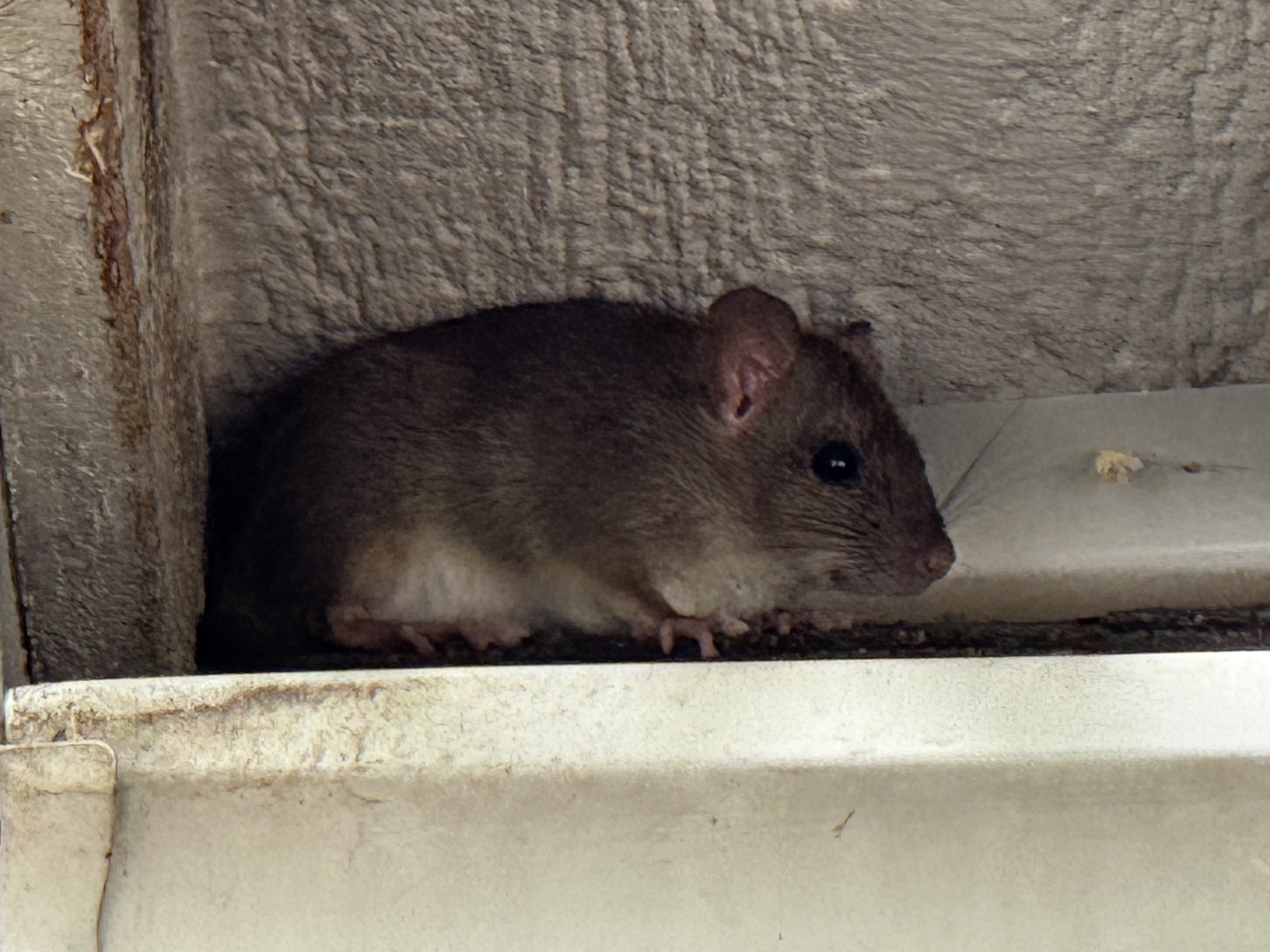
What we inspect and protect
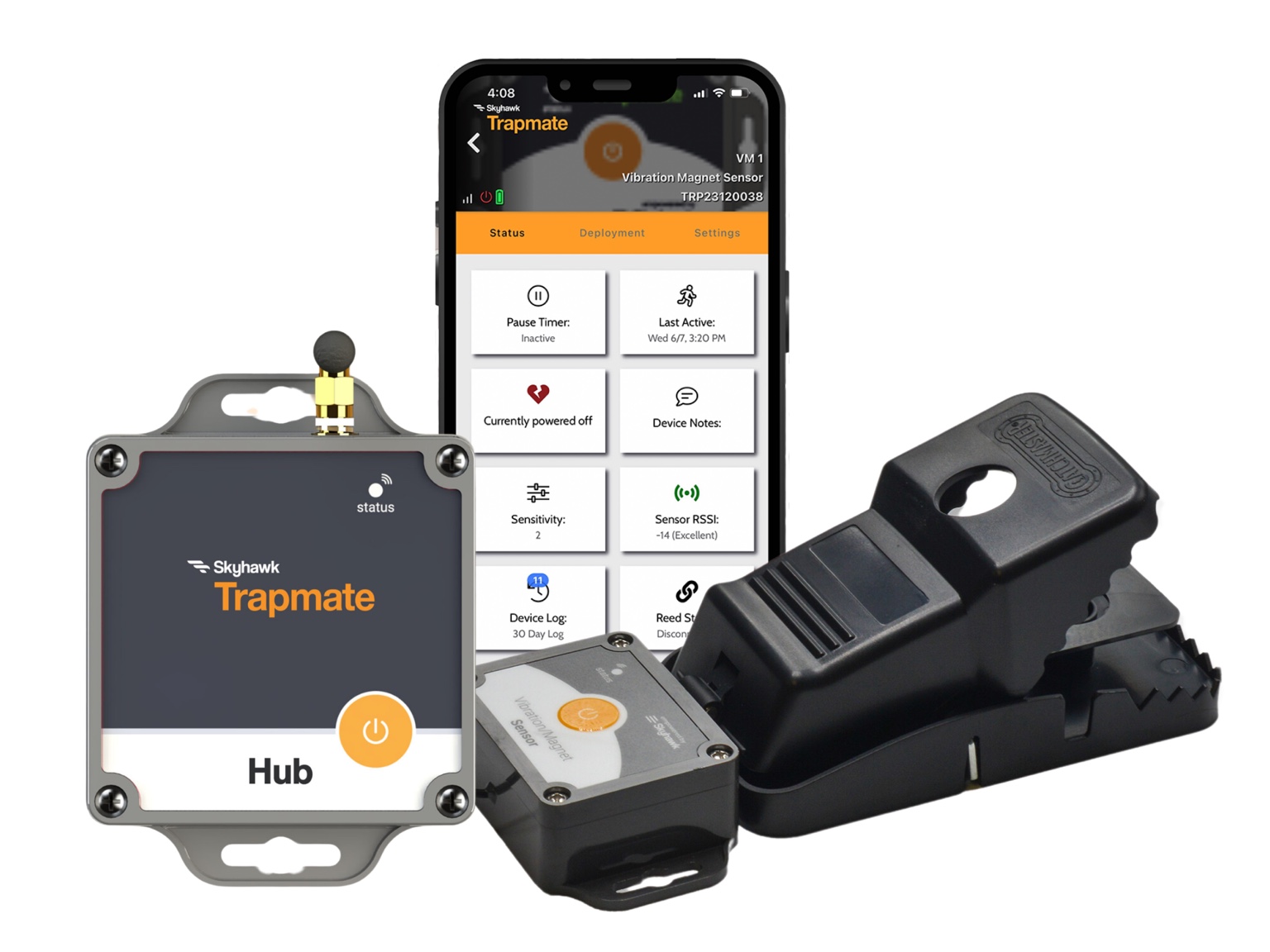
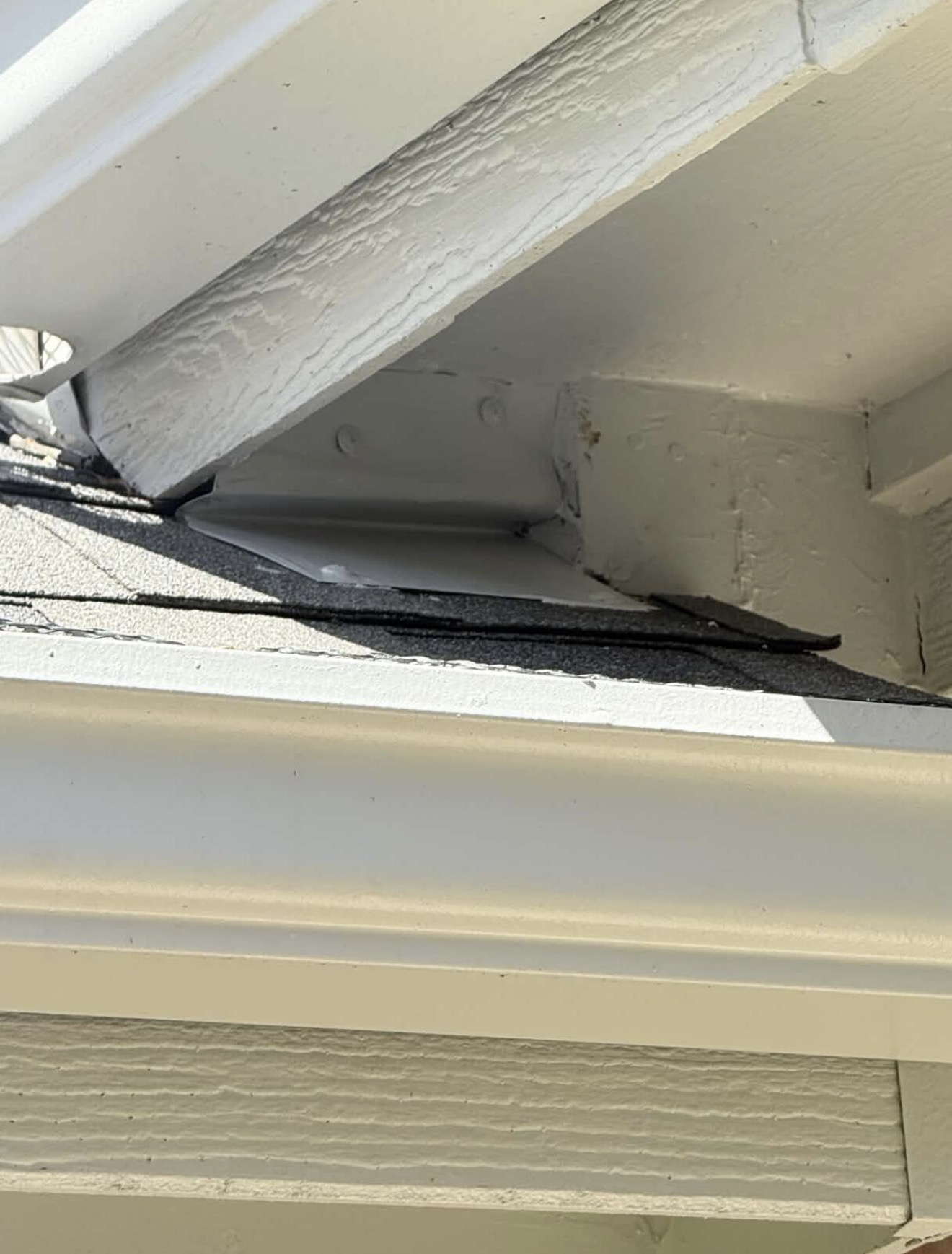
These real job photos and approved product images show the kinds of inspection, monitored-removal, and repair work that shape a rat-control plan.
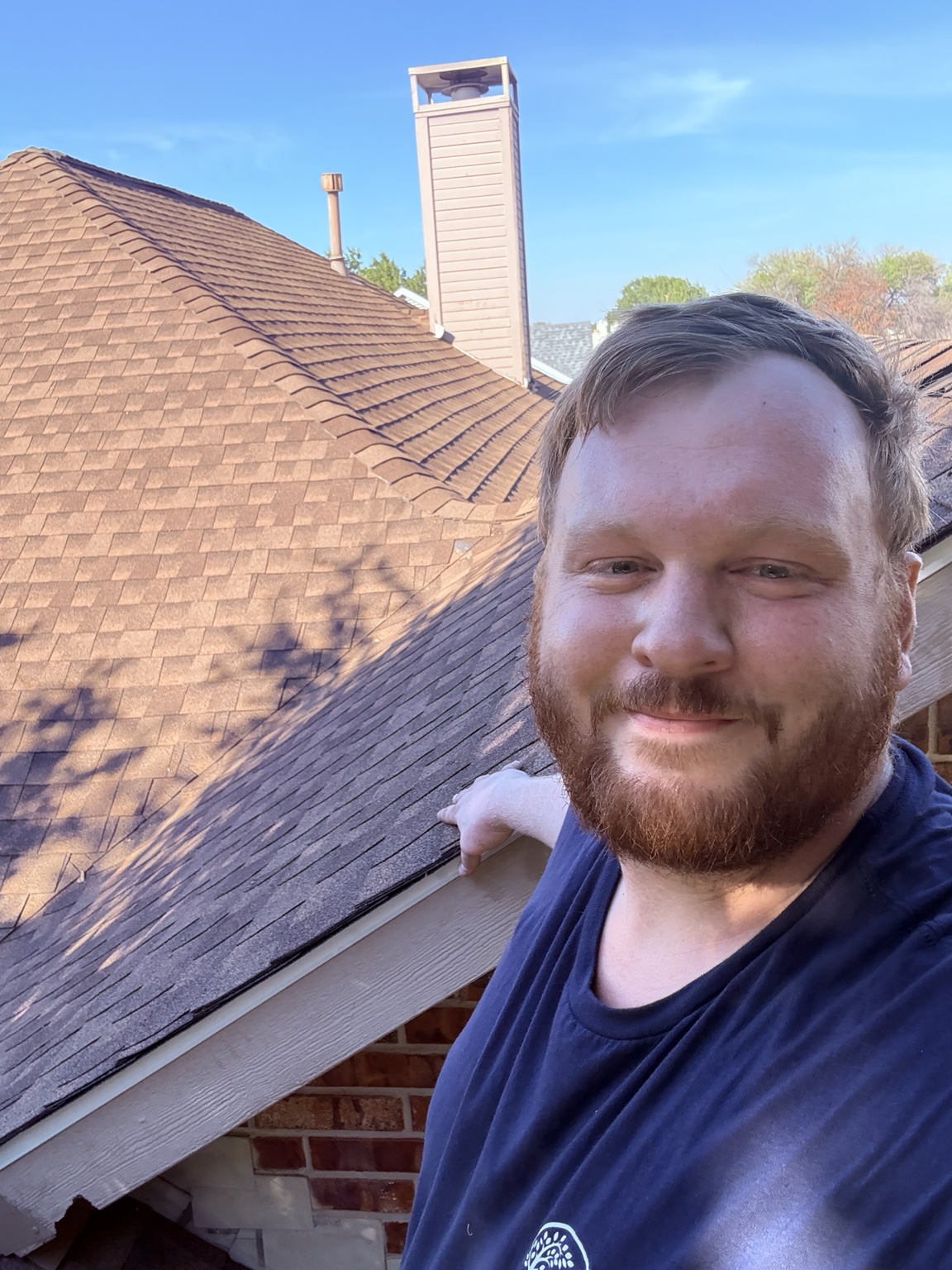
The Peaceful Home process
We document current evidence, likely travel paths, and accessible entry points, then provide a detailed written scope.
We durably seal the identified, safely accessible entry points included in the scope.
When rats remain active, Skyhawk Trapmate hubs and sensors report activity from deployed traps so we can follow the removal process and schedule the right return visit.
We review the work, remove temporary equipment, and can offer month-to-month continued monitoring on eligible homes.
Rat Control questions
Most homes can be resolved with exclusion, trapping, and monitoring—not rodenticide. In rare, extreme cases where rodenticide is warranted, we discuss it with you before use.
On eligible projects, monitored traps and exit points alert our team to activity so service decisions are based on useful information, not a routine check alone. Temporary equipment is removed at closeout unless continued monitoring is elected.
We first determine whether activity is current. If removal is needed, it is included in the recommended sequence so exclusion work does not leave an active problem unaddressed.
Entry can occur at rooflines, soffits, vents, utility penetrations, foundation transitions, and other gaps. Each home needs its own inspection.
Eligible homes may choose continued monitoring with no long-term contract. The program includes Bell iQ exterior monitoring stations. At each scheduled service visit, we sync the time-stamped station data and send a report showing which stations recorded activity, when it occurred, and the number of activity events since the prior visit. The count reflects station activity—not individual animals.
Homeowner context
Texas A&M AgriLife Extension identifies sanitation and habitat changes as part of rodent management. We look at accessible food, water, clutter, and exterior conditions alongside entry points.
Rats may use rooflines, utility lines, structure gaps, and ground-level openings. That is why we inspect the full exterior.
Get a clear look at the evidence, the likely access points, and the work that fits your home.
Call / Text (817) 798-6925