Locate the occupied area
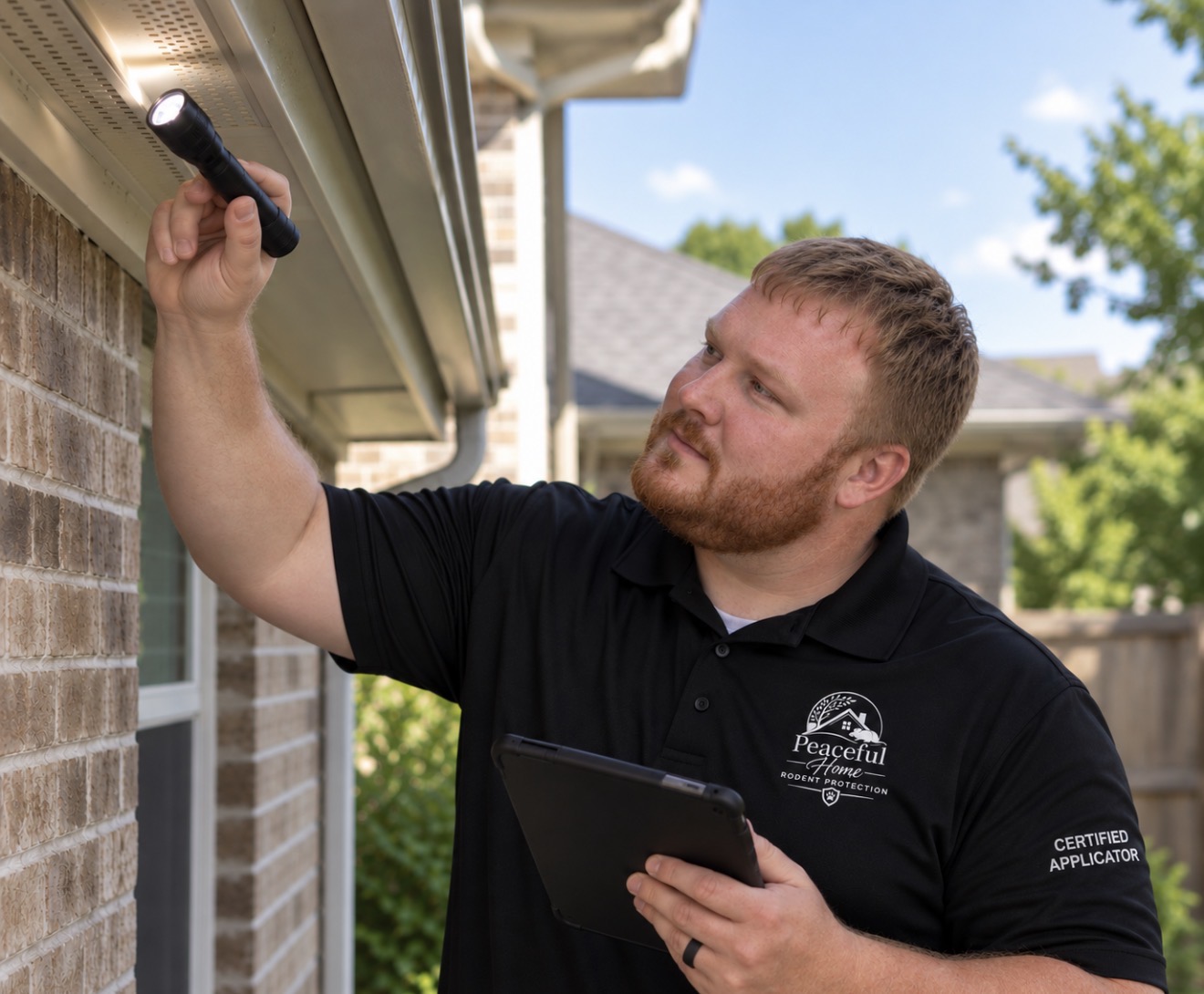
We look for accessible entry damage, disturbed screening, tracks, droppings, and nesting evidence. The inspection identifies the openings included in the written scope.
Long-Term Raccoon Removal for DFW Homes
We locate the route in, get raccoons out safely, repair the access points, and keep your home protected for years to come.
Start with the evidence
We look for accessible entry damage, disturbed screening, tracks, droppings, and nesting evidence. The inspection identifies the openings included in the written scope.
Before installing a one-way door, we assess whether young are present and whether every animal can leave. If dependent young are suspected, the removal sequence changes before access is restricted.
Removing a raccoon without correcting the entry point leaves the home vulnerable. Initial repairs address secondary openings; the monitored exit receives its final durable repair after closeout checks.
The Peaceful Home System
We protect the home in the right order: close secondary routes, guide the animal out, then finish the durable repair.
We identify the animal, where it is getting in, and the repairs that will protect the home.
We make durable repairs at the other access points while keeping one controlled route for a safe exit.
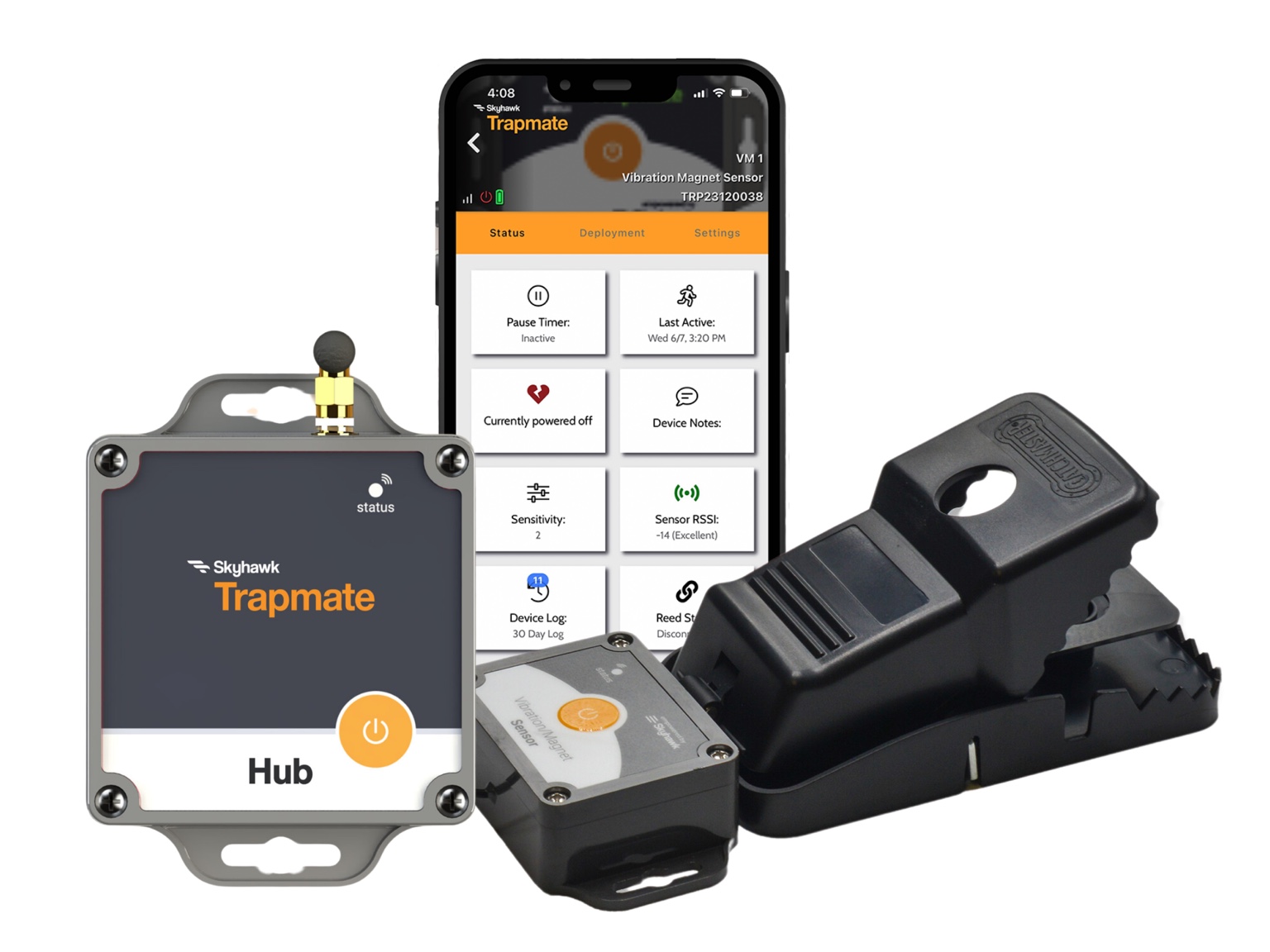
When the home and animal call for it, we use a one-way door or live trap with Skyhawk Trapmate sensors to guide removal.
Trapmate alerts and physical checks tell us when to return and what needs attention next.
We inspect the accessible areas, check the repair work, and verify the removal before closeout.
We remove temporary equipment, seal the final opening, and leave the home protected for the long haul.
Raccoon Removal questions
We assess that during inspection. We do not close off the adult’s route and assume dependent young can leave. The removal plan must account for the family before a one-way door is installed.
We do not promise relocation. Capture and handling follow applicable Texas wildlife rules; the written scope explains how a captured animal will be handled. Texas restricts transporting live raccoons.
The first stage closes secondary openings and leaves a controlled exit for removal. The second stage closes that final exit after field checks and monitoring support closeout.
Trapmate alerts help us prioritize the next field visit when a deployed device reports activity. They guide timing, but final clearance still requires an in-person inspection and verification.
After the repair work is complete, renewable quarterly or annual protection can keep the home covered with periodic inspections and moderate touch-up work for up to 10+ years.
Use the inspection form below. Share the location, sounds, sightings, and any entry damage you have noticed so we can follow up about an inspection.
Find the right service
Serving Coppell, Lewisville, Flower Mound, Grapevine, Carrollton, Irving, Southlake, and the greater Dallas-Fort Worth area.
Equipment reference: Skyhawk Trapmate sensor documentation. Wildlife handling reference: Texas Parks and Wildlife nuisance fur-bearing animal guidance.