The question homeowners usually want answered first is simple: How did they get in?
The answer isn’t always obvious. A rodent entry point can be small, high above the ground, hidden behind part of the roofline, or located on the opposite side of the house from where you’re hearing activity.
Finding and correcting those openings is why a thorough exterior inspection is such an important part of solving a rodent problem.
Quick Answer
Rats can enter homes through vulnerable areas around the roofline, construction gaps, vents, utility penetrations, garages, and other openings in the structure.
An effective rodent inspection shouldn’t focus only on finding the opening rats appear to be using today. The rest of the home should also be inspected for vulnerable areas that could provide another way inside.
That’s the basic idea behind rodent exclusion: remove access to the structure instead of leading with rodenticide around the property.
Common Rat Entry Points We Look For
Every house is different. Construction style, age, previous repairs, roof design, and modifications to the home can all affect where rodents may gain access.
There are, however, several areas that deserve particular attention during an inspection.
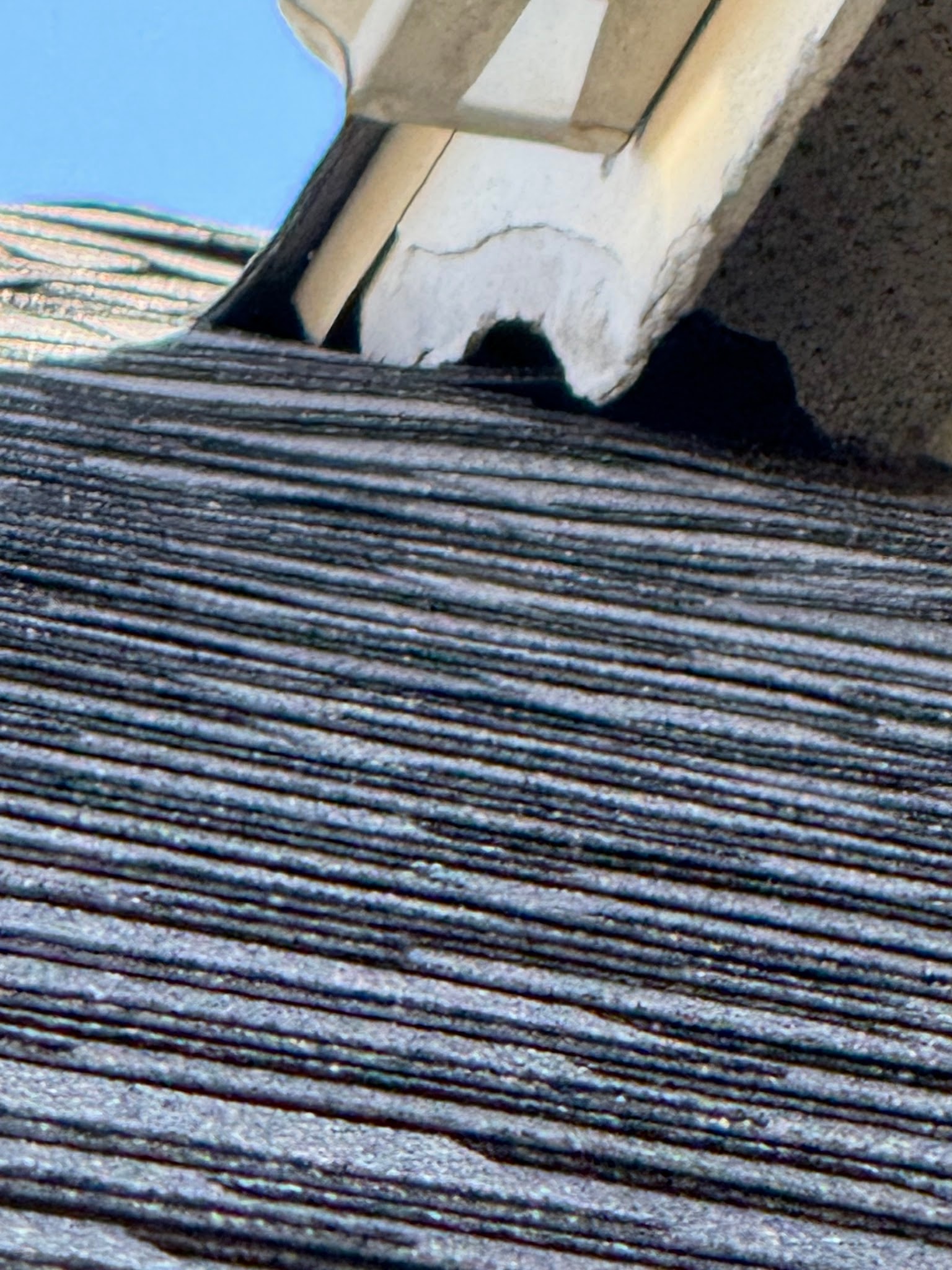
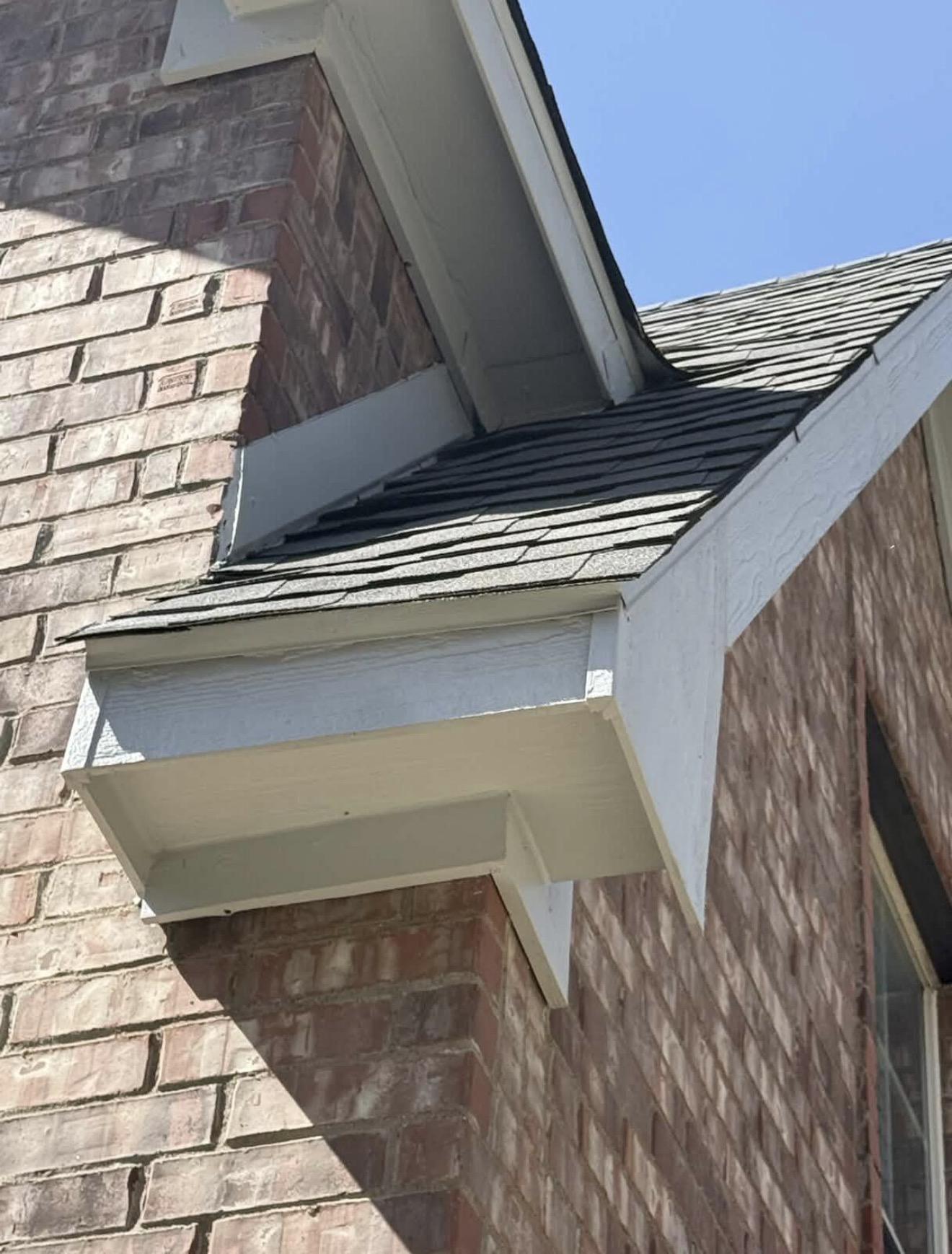
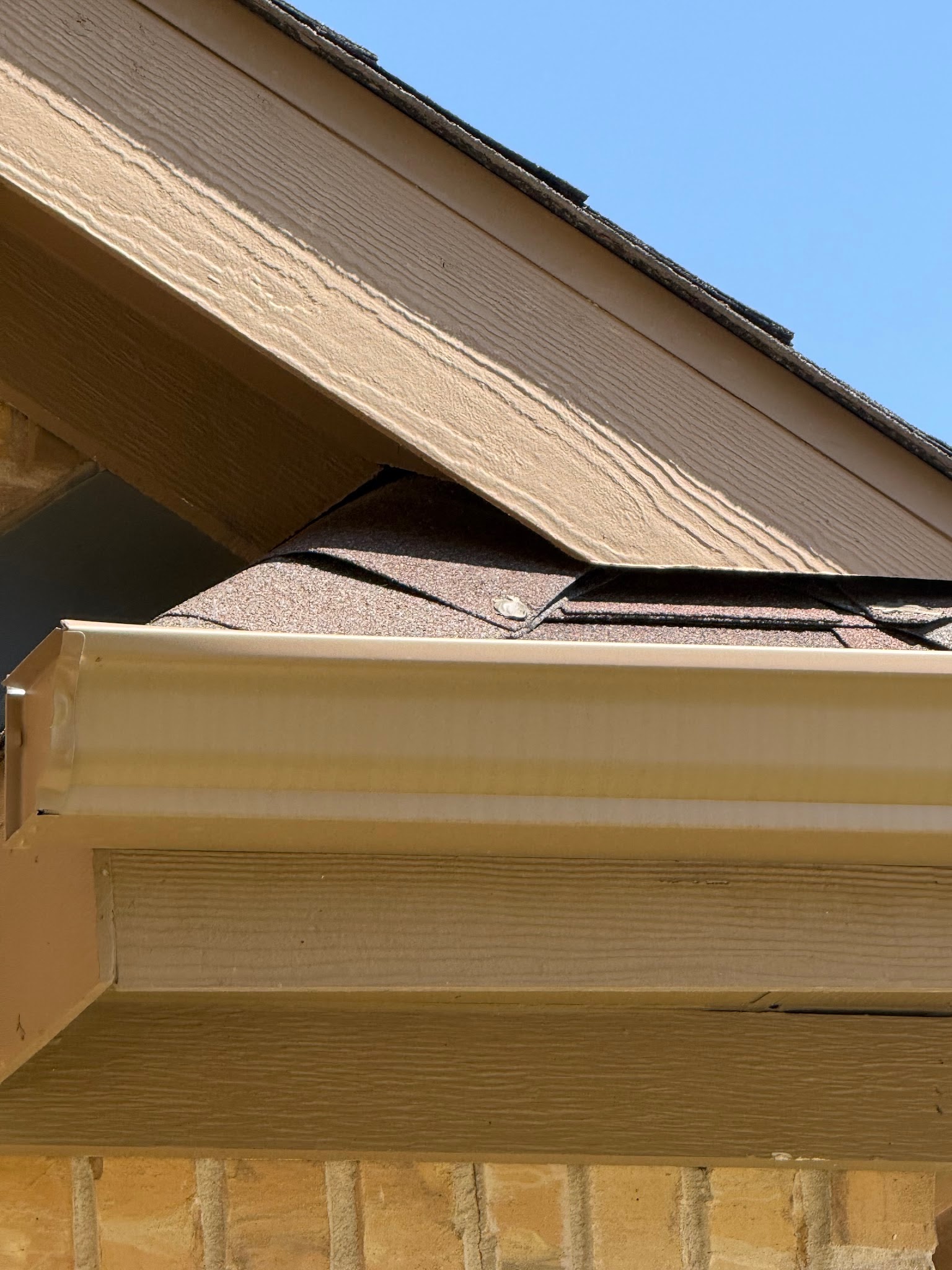
Roof Returns and Roofline Gaps
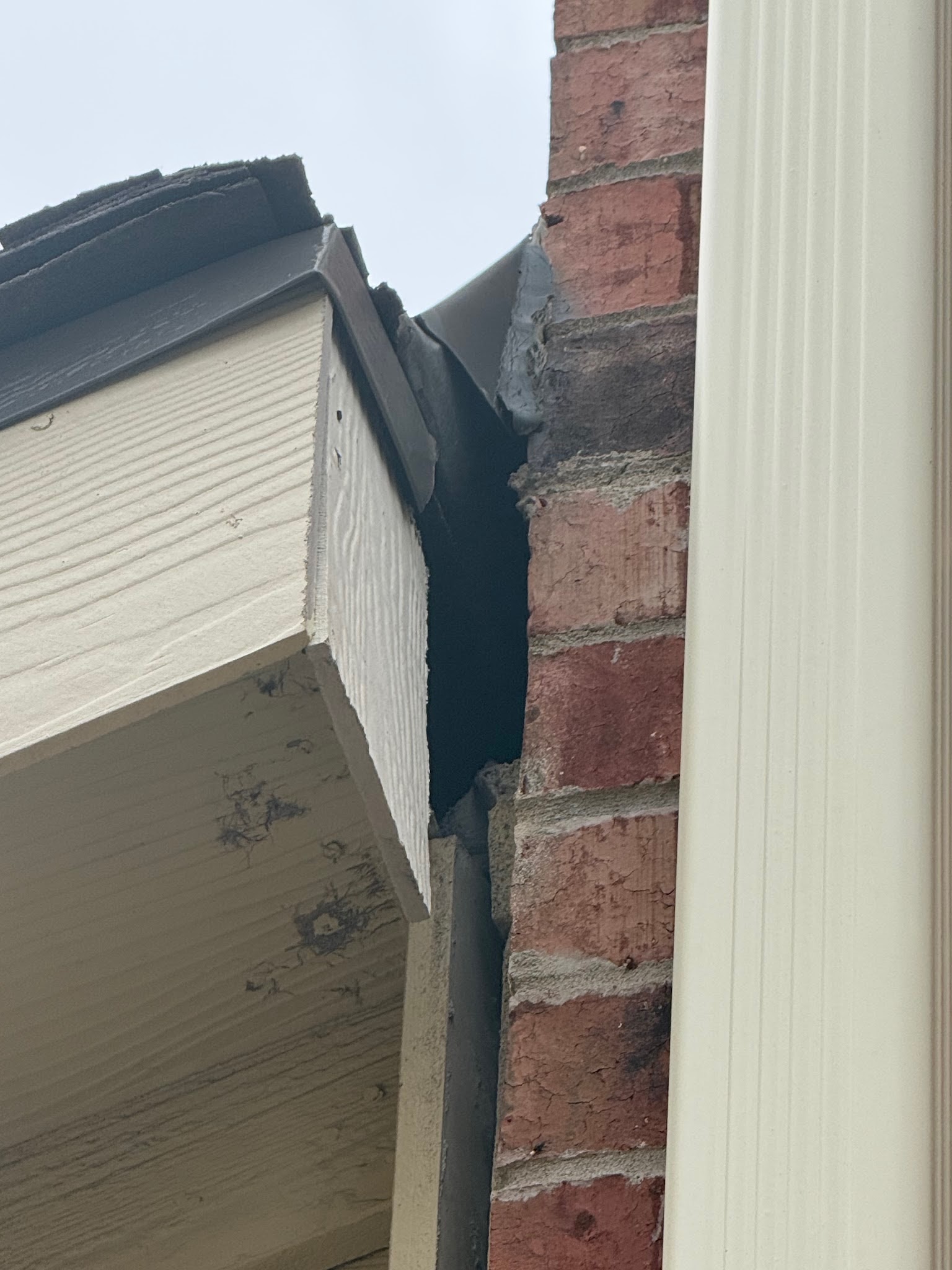
Roof returns and intersections between different sections of a roof can create openings that are easy to overlook from the ground.
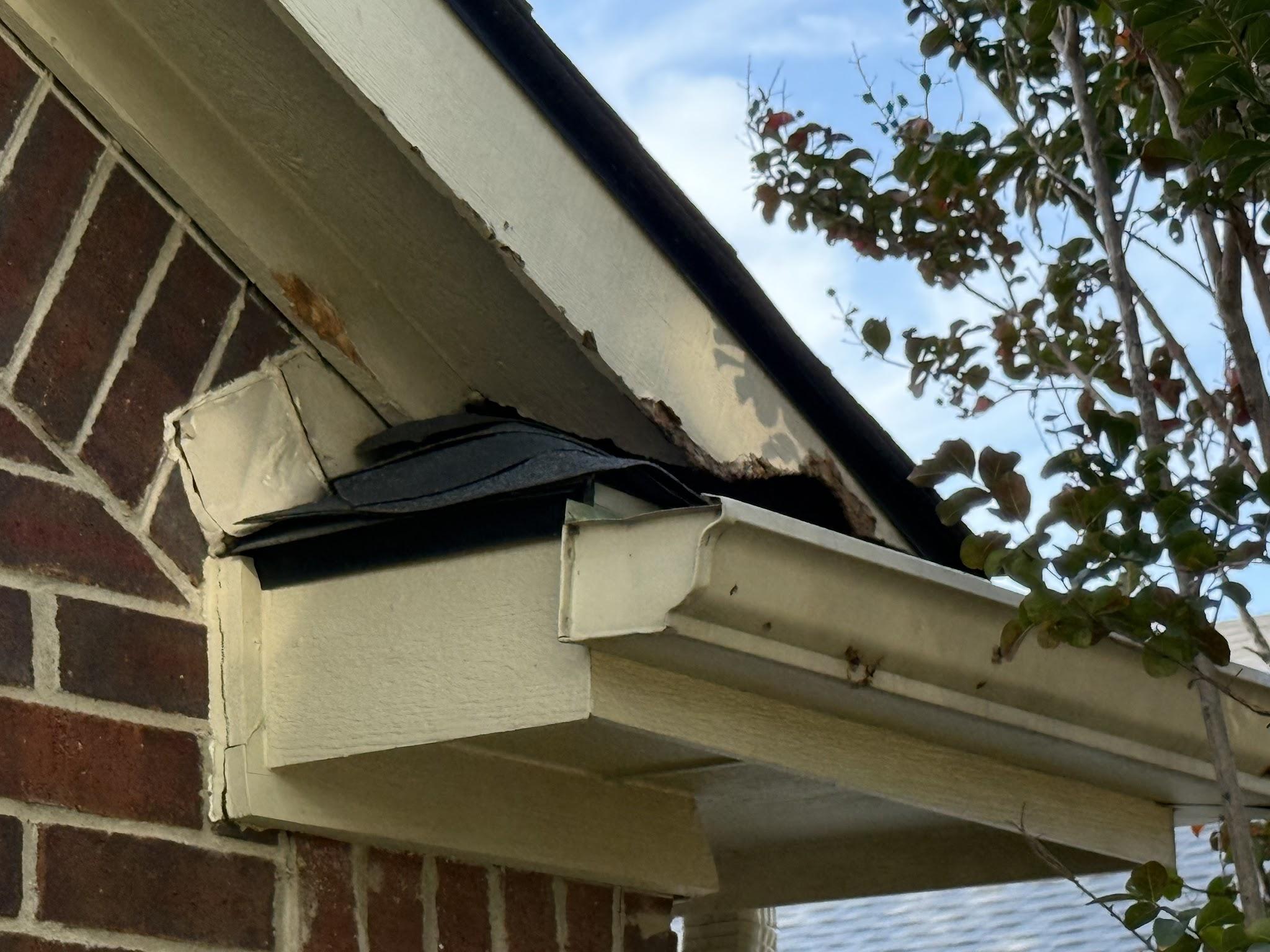
A gap doesn’t necessarily have to look dramatic to deserve attention. Areas where roofing materials, trim, fascia, siding, or soffits meet should be examined closely.
These areas are particularly important because simply walking around the foundation of a house isn’t enough to evaluate the entire structure. Some potential entry points can only be properly assessed by examining the roofline.
Soffit and Fascia Gaps
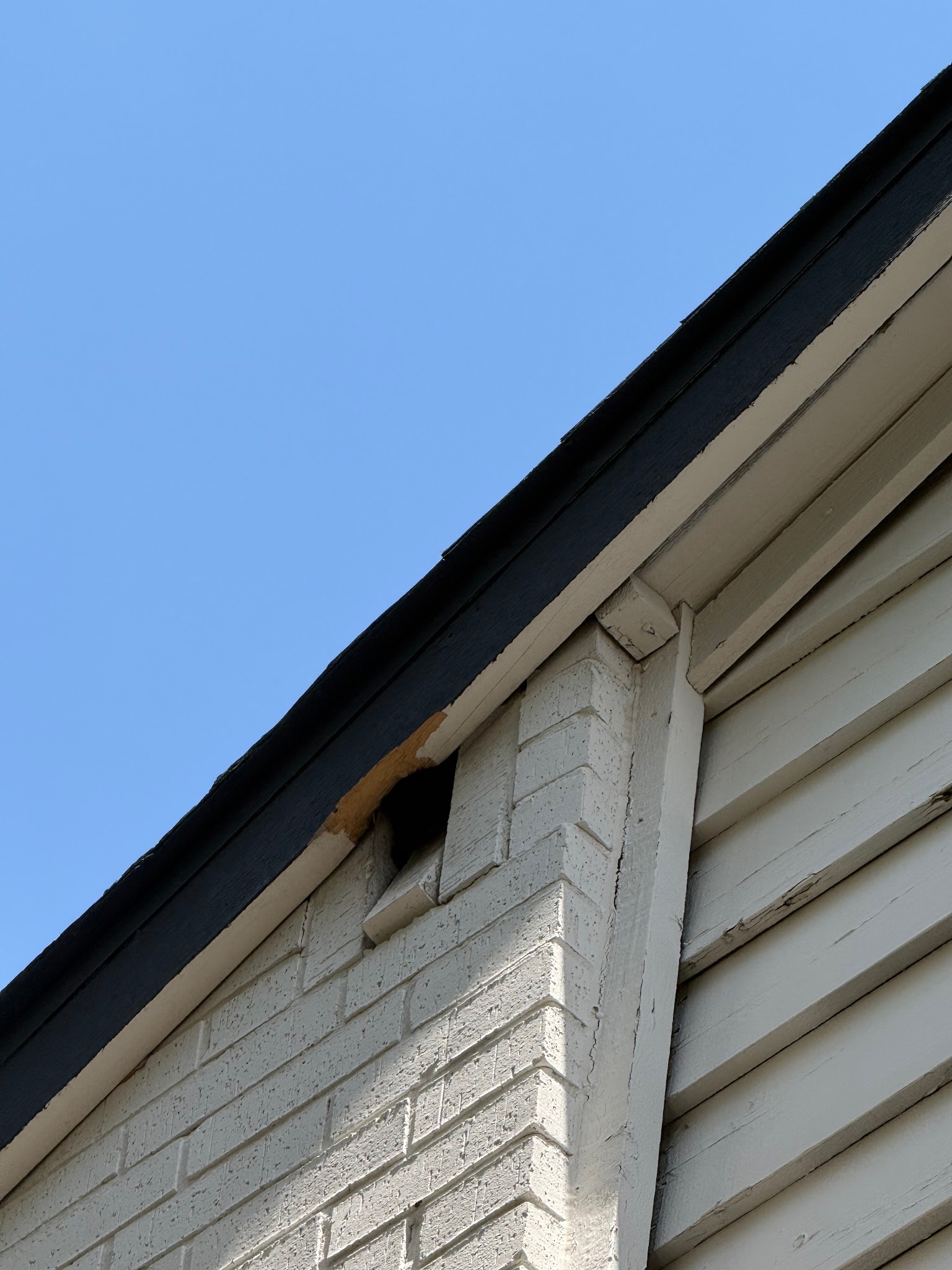
Soffits and fascia are another important part of a rodent inspection.
Damage, construction gaps, deteriorated materials, or areas where different building materials don’t meet tightly can potentially provide access to the attic.
These openings may also be difficult for a homeowner to see from the ground.
When we inspect a home, we’re interested in more than obvious holes. We’re looking at how different parts of the structure come together and whether those transitions leave an opening a rodent could exploit.
Roof Vents
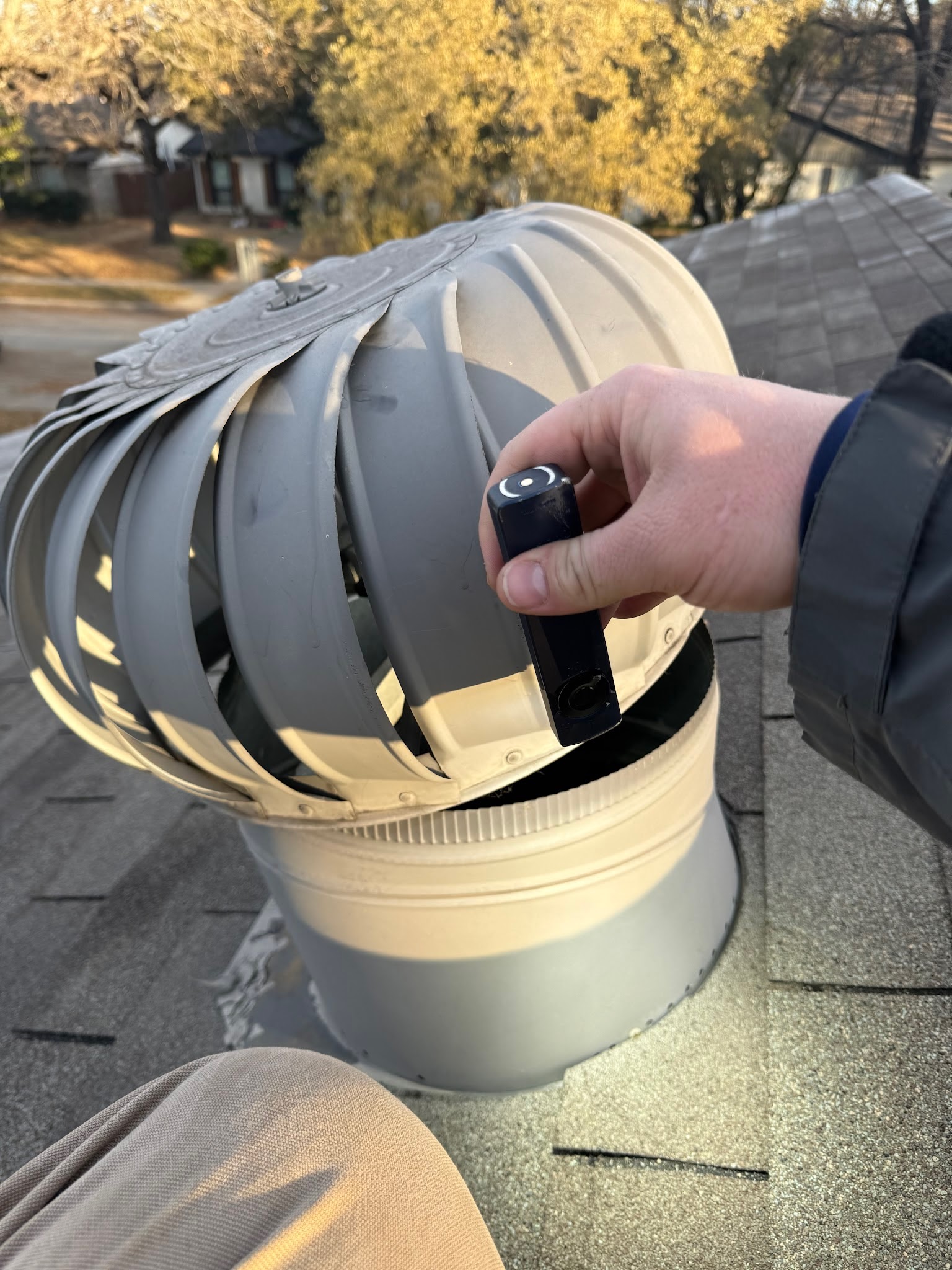
Homes need ventilation, which means the roof naturally contains openings designed to move air.
The vent itself isn’t necessarily the problem. The concern is whether the vent and the surrounding installation prevent animals from gaining access to the structure.
Damaged components, gaps around a vent, or other vulnerabilities around the installation can deserve further inspection.
This is one reason an attic rodent problem shouldn’t automatically be treated as a simple trapping problem. Removing the animal doesn’t necessarily correct the condition that allowed it into the house.
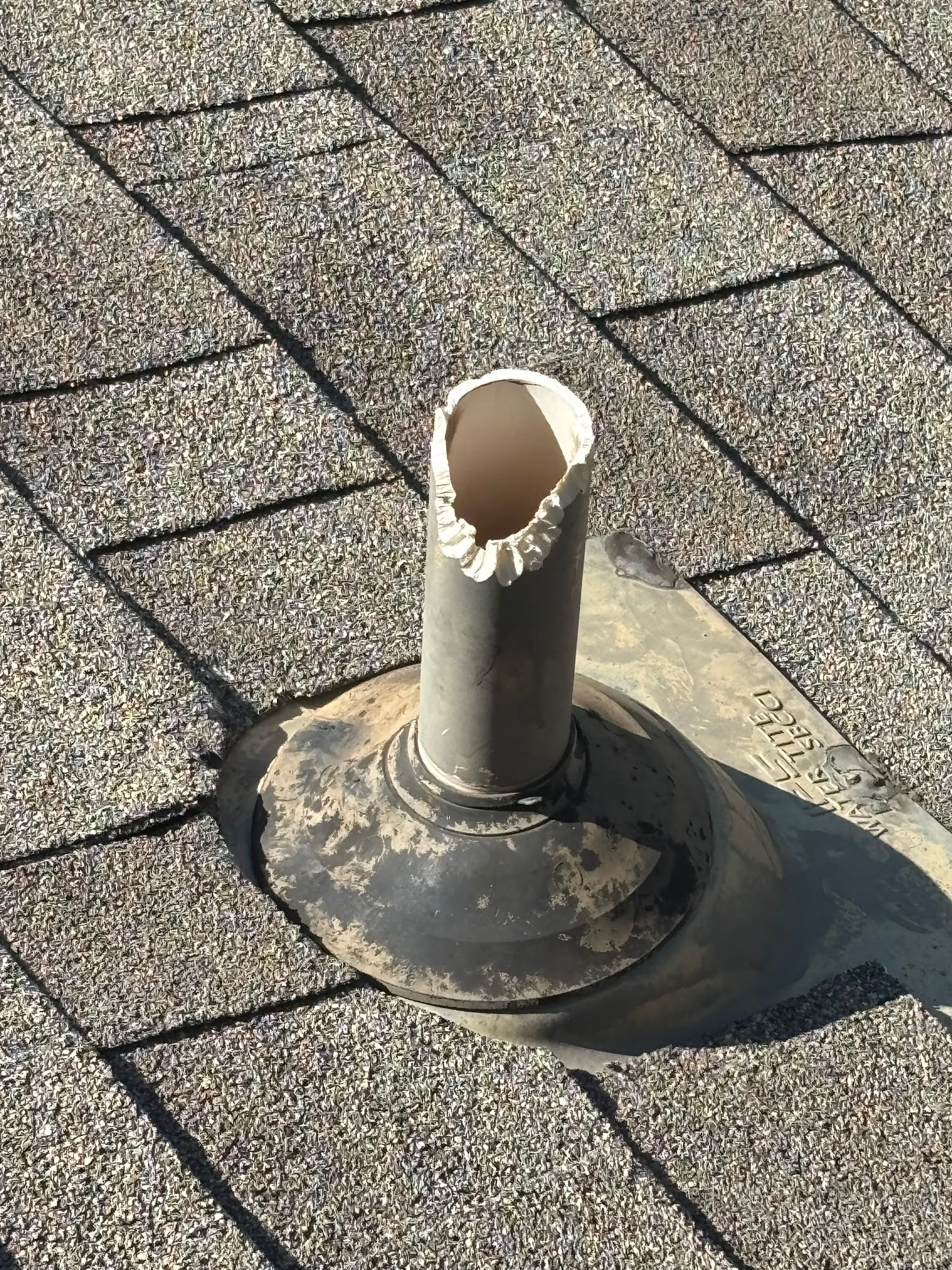
Pipe Stacks and Other Penetrations
Plumbing vents, utility penetrations, and other places where something passes through the exterior of a home should also be examined.
These areas are necessary parts of the house, but any penetration creates a transition between building materials.
During an inspection, we look at the area surrounding these penetrations for openings that may provide access to the structure.
Garage Doors and Ground-Level Openings
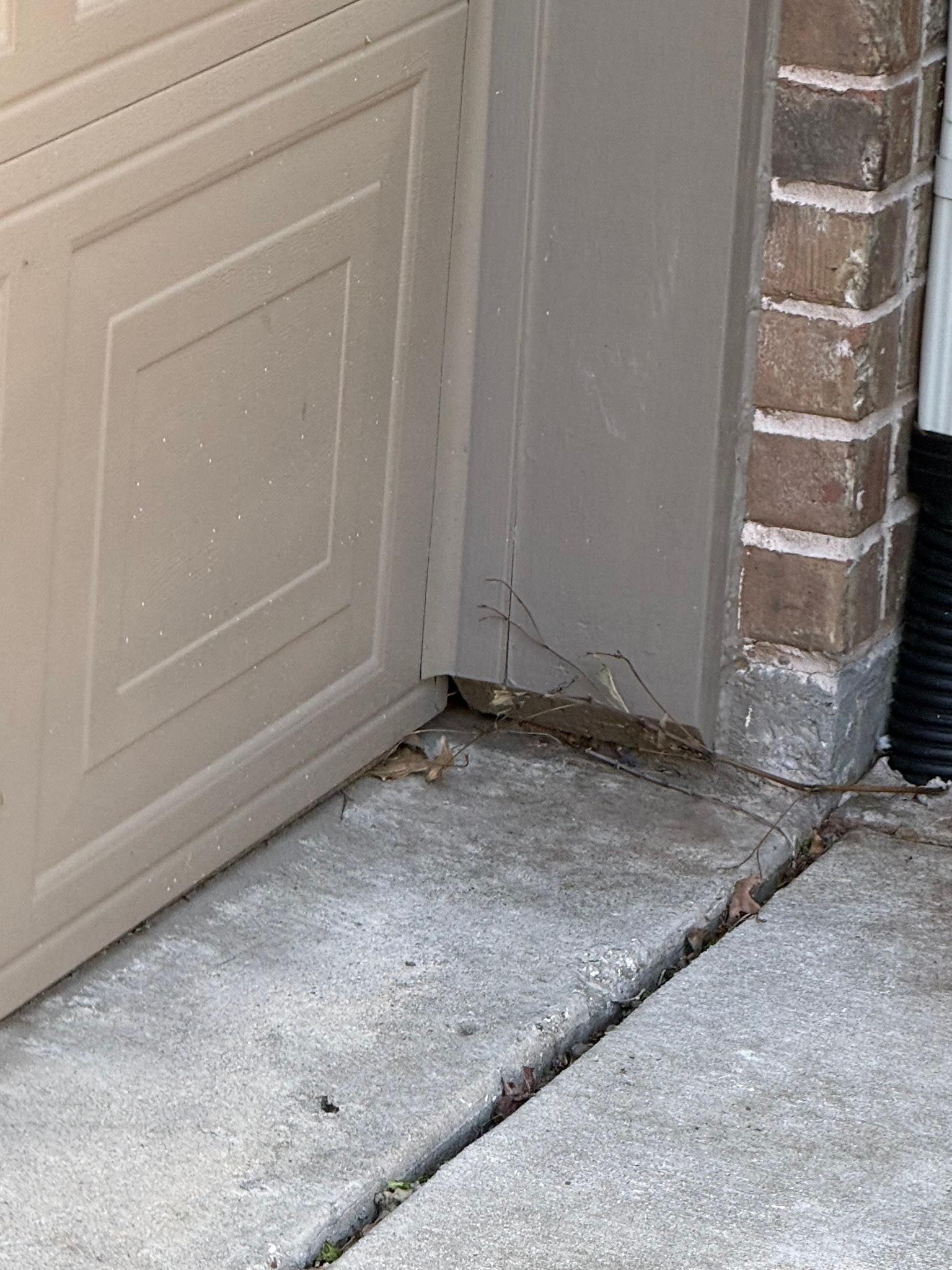
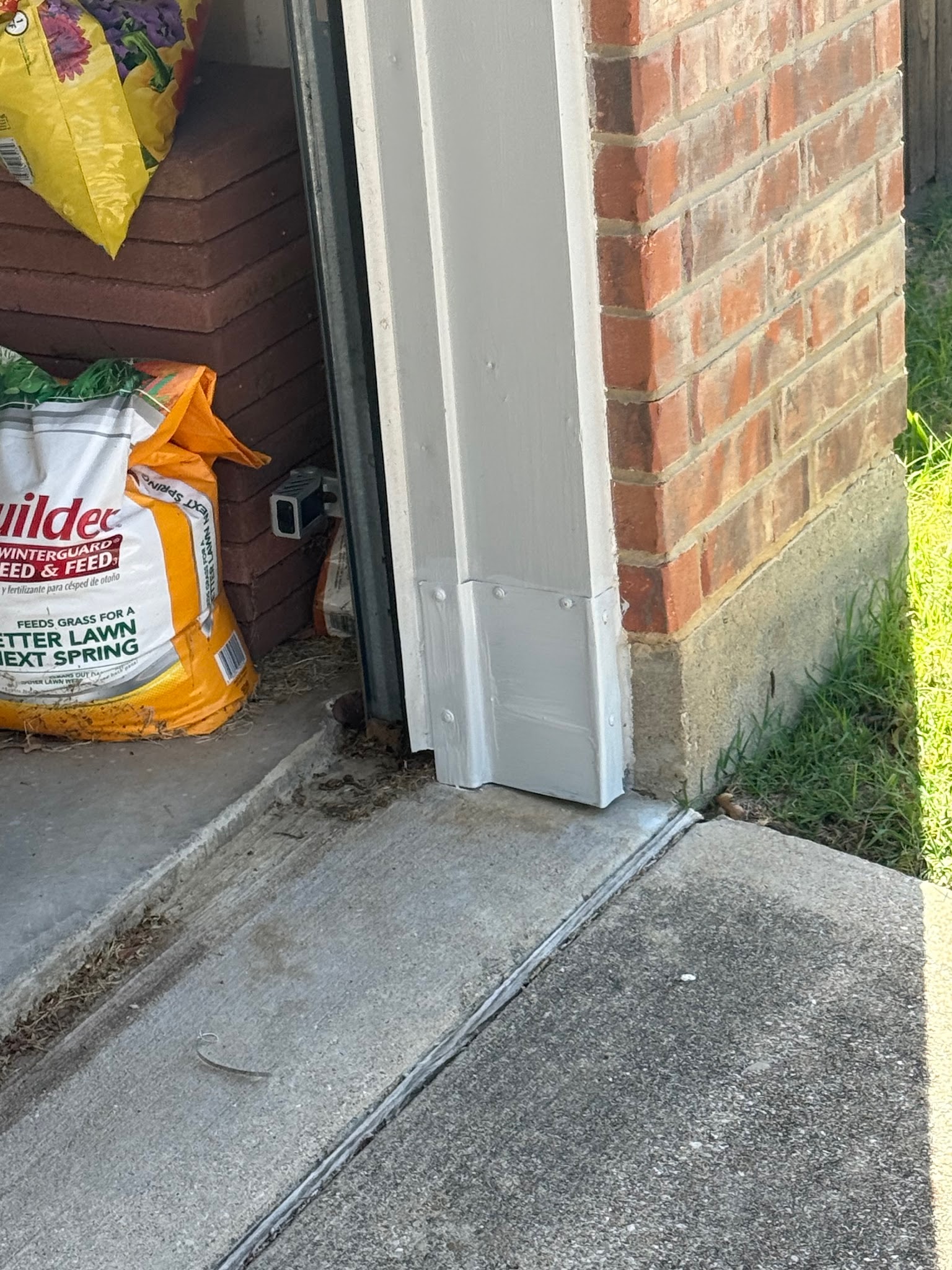
Not every rat enters through the roof.
Garage doors, exterior doors, damaged weather stripping, utility penetrations, and gaps around the lower portions of the structure can also provide potential access.
The garage deserves particular attention because it creates a large transition between the exterior and interior of the home. From there, additional openings may allow an animal to move farther into the structure.
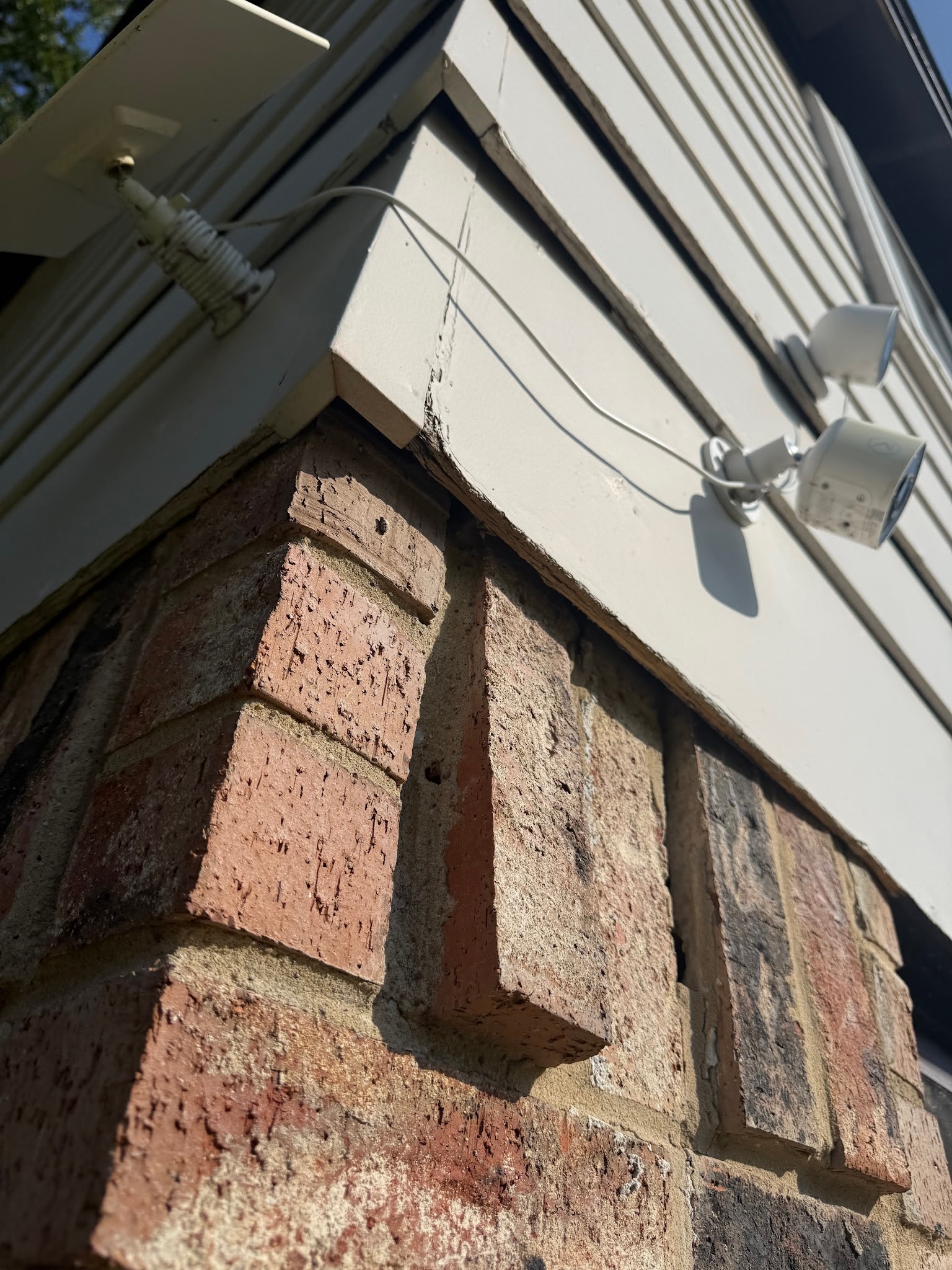
Construction Gaps
Sometimes there isn’t a single broken component. The vulnerability is simply the way two sections of the house were built together.
Changes in roof height, additions, siding transitions, decorative architectural features, and intersections between different building materials can create gaps that aren’t particularly noticeable unless you’re specifically looking for them.
Texas A&M AgriLife Extension identifies areas including roof venting, flashing, garage doors, siding and other structural openings as locations that should be considered when rodent-proofing a building.
Why Finding One Hole Isn’t Enough
Suppose we find evidence that rats are entering through one particular opening. It would be tempting to seal that hole and consider the problem solved.
That’s not how I approach an exclusion.
If one section of the house allowed rodents to enter, I want to know what the rest of the house looks like too.
There may be another opening on the opposite side of the structure that hasn’t been used yet. There may be an area beginning to deteriorate. There may be several similar construction gaps around the roofline.
That’s why Peaceful Home focuses on a full-home exclusion rather than treating only the most obvious entry point. The objective is to identify current entry points while also addressing accessible vulnerabilities that could become entry points later.
What I Look for During a Rodent Inspection
When I inspect a home for rodent activity, I’m trying to answer several different questions.
Where are rodents most likely entering? What evidence supports that conclusion? Are there additional openings around the structure? What needs to be corrected? And once those openings are addressed, how do we remove the rodents that may still be inside?
That requires looking at the house as a complete structure rather than focusing exclusively on the area where the homeowner hears noises.
The location of the sound can be useful information, but it doesn’t automatically tell us where the animal entered. A rat can enter one portion of a structure and move through the attic or other concealed areas before the homeowner ever hears it.
Why Peaceful Home Uses an Exclusion-First Plan
Most homes can be resolved with exclusion, trapping, and monitoring—not rodenticide. In rare, extreme cases where rodenticide is warranted, we discuss it with you before use.
That means the first plan is built around preventing rodents from getting into the home rather than relying on routine rodenticide around the property.
Instead, our process focuses on preventing rodents from getting into the home. For a typical rat or mouse problem, that means:
- Inspect and scope the homeWe identify evidence of rodent activity, current entry points, and other accessible openings that may allow rodents into the structure, then provide a detailed written scope.
- Perform durable exclusionWe seal the identified, safely accessible entry points and vulnerable areas included within the scope.
- Monitor rodents remaining insideWhen activity remains inside, monitored traps or exit points can help guide the removal process.
- Verify and close outWe review the completed work, remove temporary monitoring equipment, and may offer continued monitoring on eligible homes. That program can include Bell iQ exterior stations; after each scheduled service visit, customers receive a report showing activity by station, timing, and the number of recorded activity events since the prior visit.
- Keep the focus on the structureRather than relying on routine rodenticide around the property, we address the reason rodents were able to enter the home in the first place.
Texas A&M AgriLife Extension emphasizes rodent-proofing as a practical part of effective rodent control. That is closely aligned with how we have chosen to build Peaceful Home.
Do You Need to Find the Entry Point Yourself?
No.
In fact, I don’t recommend climbing onto your roof trying to locate one.
If you’ve found an obvious opening from the ground, that information can certainly be useful during the inspection. But you don’t need to diagnose the entire problem before calling a professional.
Tell us what you’ve noticed. That might include scratching at night, noises above a particular room, droppings, gnawing, an animal you’ve actually seen, or when the activity started.
The inspection is where we work on determining what’s happening and how the animal may be getting inside.
Hearing Something in Your Attic?
If you’re hearing activity in your attic or suspect rats are getting into your home, Peaceful Home Rodent Protection provides rodent inspections and exclusion services throughout our DFW service area.
Our approach is straightforward: Find how they’re getting in. Seal the home. Remove the rodents remaining inside. Keep the home protected for years with renewable quarterly or annual support available for up to 10+ years. Exclusion first. Poison last.
Related Resources
Think Rodents Are Getting Into Your Home?
You don’t have to figure out where they’re entering on your own.
If the rodents come back, so do we.Request an inspectionSee pricing