Rat poison is one of the most familiar tools used in rodent control. If you have seen black bait stations placed around the exterior of a home or business, there is a good chance you have seen part of a rodenticide program.
Peaceful Home Rodent Protection takes a different approach.
We do not make rodenticide the standard treatment for residential properties. We lead with exclusion, trapping, and monitoring.
That does not mean rodenticides do not work. They do. They are regulated pest-control products with legitimate applications, and professional pest-control companies use them every day.
We simply believe we can build our residential rodent-control service around a different question:
Instead of focusing on killing rodents around the property, can we prevent them from getting into the home in the first place?
For the homes we service, that means focusing on inspection, full-home exclusion, trapping, and removal.
Quick Answer
Peaceful Home leads with exclusion, trapping, and monitoring. Most homes can be resolved with exclusion, trapping, and monitoring—not rodenticide. In rare, extreme cases where rodenticide is warranted, we discuss it with you before use.
We inspect the home for current and potential entry points, seal accessible openings as part of a full-home exclusion, and then trap rodents remaining inside.
There is another reason we are comfortable making that choice.
Rodenticides are designed to kill animals, and their use requires precautions. The U.S. Environmental Protection Agency specifically regulates rodenticides to reduce potential exposure to children, pets, and wildlife. EPA also recognizes that some rodenticides can expose predators and scavengers that consume poisoned rodents.
For Peaceful Home, leading with exclusion, trapping, and monitoring keeps rodenticide out of the standard residential plan.
First, Let’s Be Accurate About How Rat Poison Is Actually Used
There is an important misconception worth clearing up.
Professional rodent control does not necessarily mean someone is throwing loose poison around your attic or yard.
Rodenticides are regulated pesticides, and their labels dictate where and how particular products may be used. EPA requires tamper-resistant bait stations for certain professional applications, including outdoor above-ground applications and locations accessible to young children, pets, or non-target wildlife.
Those stations are designed to restrict access to the bait inside.
We don’t need to exaggerate what other pest-control companies are doing to explain why we’ve chosen a different method.
Our disagreement isn’t primarily with the bait station.
Our approach is to keep rodenticide out of the standard plan.
What Happens After a Rodent Eats Poison?
That depends on the rodenticide being used.
There are several different active ingredients used in rodenticides, and they don’t all work the same way.
For example, EPA divides commonly used rodenticides into first-generation anticoagulants, second-generation anticoagulants, and non-anticoagulant rodenticides. Anticoagulants interfere with blood clotting, while products containing active ingredients such as bromethalin or cholecalciferol work differently.
This distinction matters because statements such as “all rat poison works the same way” aren’t accurate.
It also matters when discussing environmental exposure.
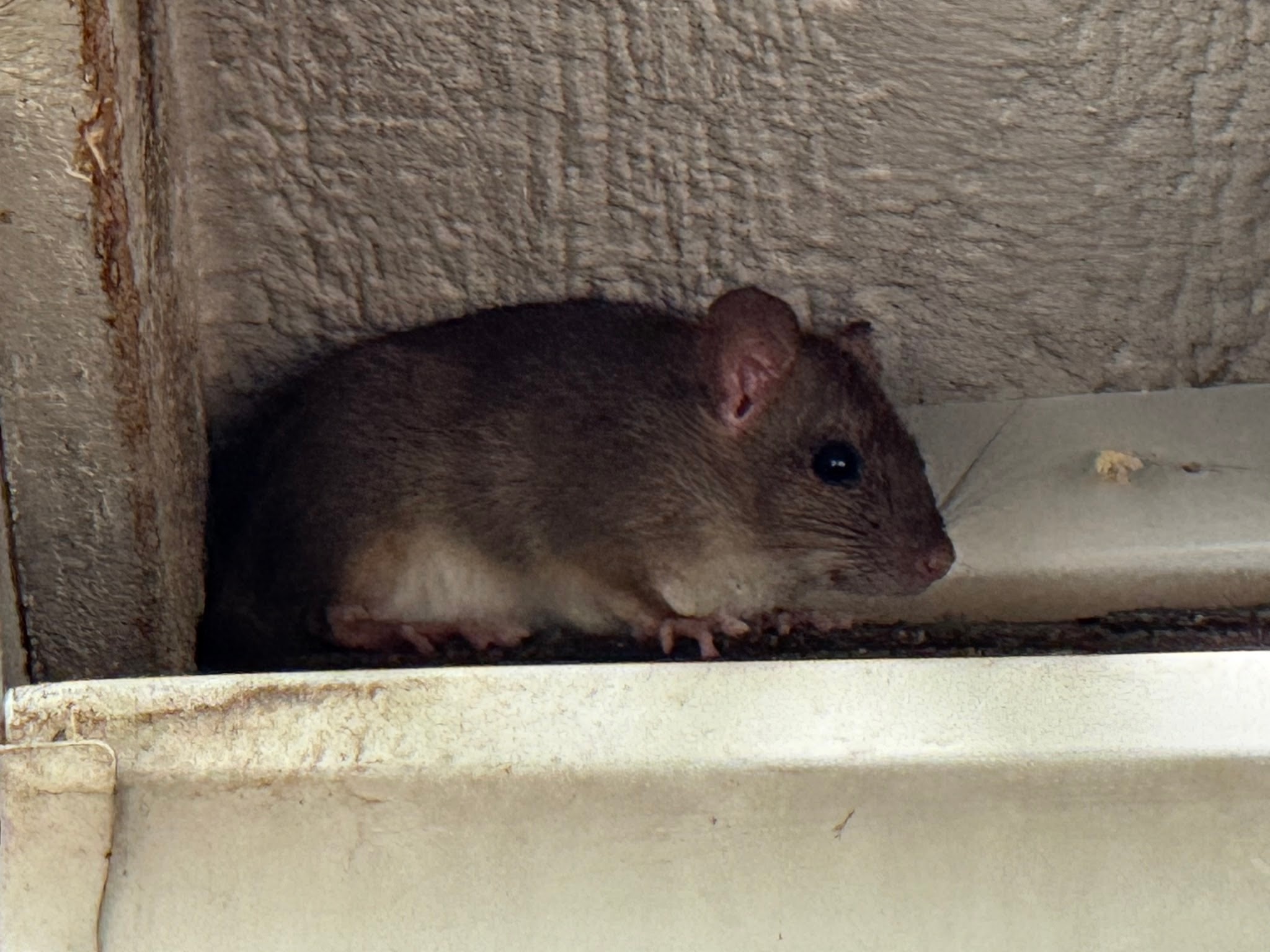
EPA states that second-generation anticoagulant rodenticides are particularly persistent in animal tissue. Because death is delayed, a rodent may continue feeding after consuming a lethal amount. A predator or scavenger that later consumes a poisoned rodent can potentially be exposed to the rodenticide as well.
EPA also warns that pets and wildlife can potentially be poisoned by eating rodents that have consumed certain poisons.
That’s called secondary exposure.
Doesn’t a Bait Station Solve the Problem?
A properly selected and used bait station serves an important purpose: limiting direct access to the rodenticide.
That’s why EPA requires protective bait stations in various circumstances.
But a bait station and an exclusion accomplish fundamentally different things.
A bait station is part of a system intended to control rodents.
An exclusion changes the structure to prevent rodents from entering it.
That distinction is at the center of how Peaceful Home approaches residential rodent problems.
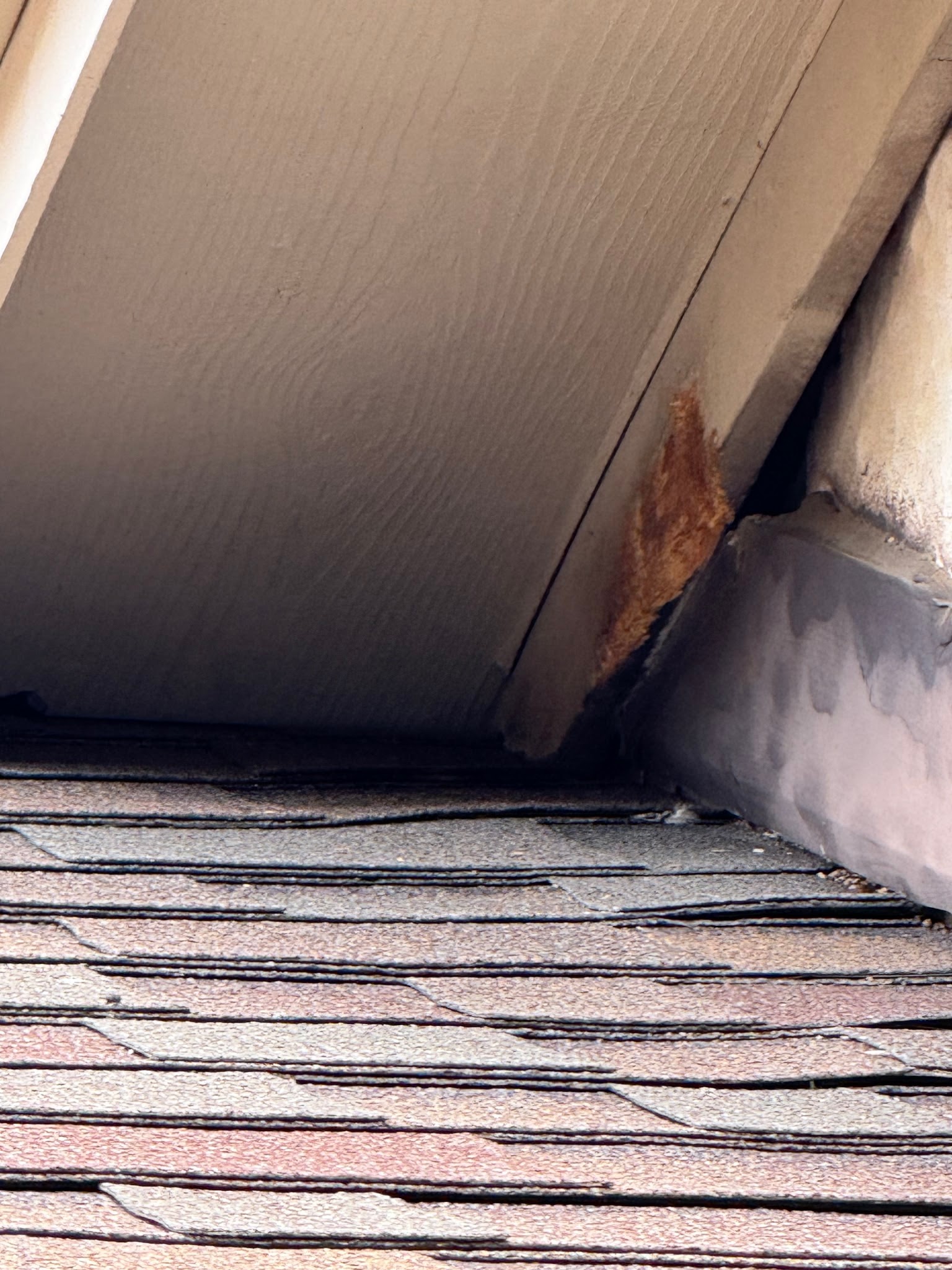
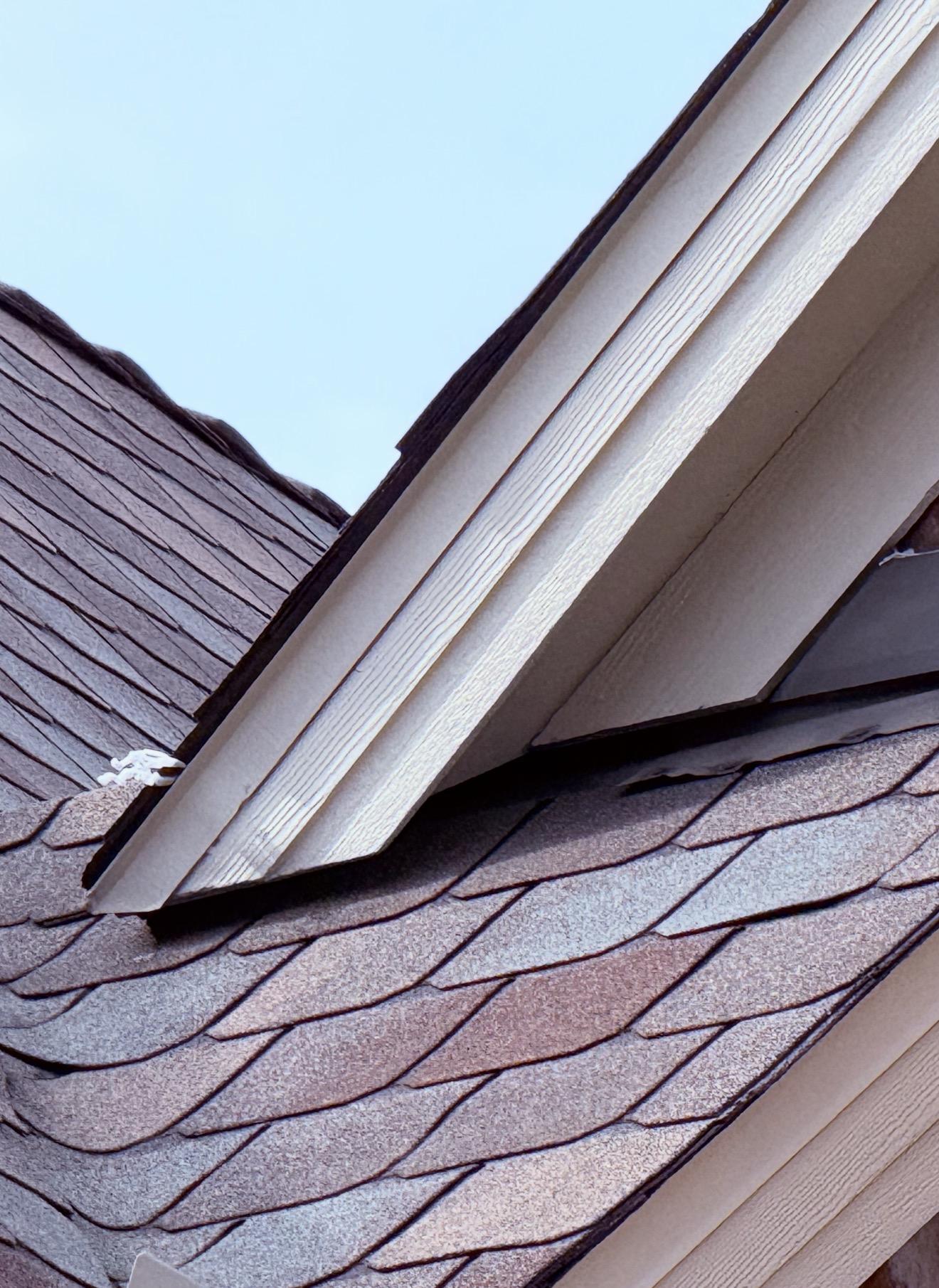
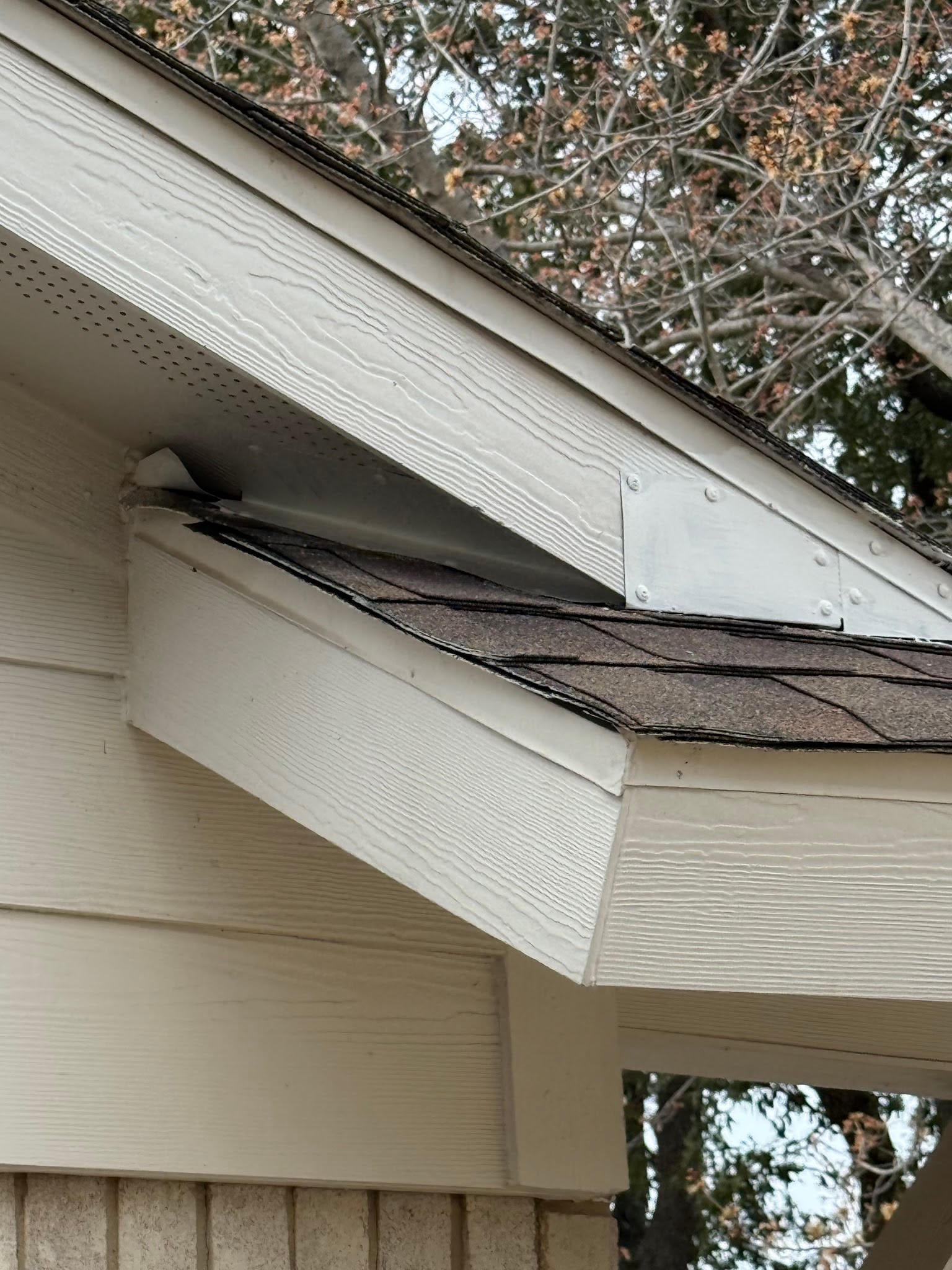
If rats are entering an attic through an open roof return, for example, our priority is not simply controlling the rats that happen to be around the home today.
We want to close the roof return.
If there are vulnerable gaps around the structure, we want to identify them.
If rodents are already trapped inside after those openings are sealed, we want to remove them.
The house itself becomes the focus of the solution.
What About Pets and Wildlife?
This is another area where accuracy matters.
It would be irresponsible to claim that every properly performed rodenticide treatment will poison a pet or wild animal. That’s not what the evidence says.
EPA nevertheless regulates rodenticides specifically because exposure to non-target animals is a real consideration.
For consumer products, EPA requires bait to be secured within ready-to-use bait stations. The agency also advises prompt removal of dead rodents to help prevent accidental poisoning of pets and wildlife that might consume them.
Professional products are subject to their own label requirements and restrictions.
Peaceful Home takes a simpler position:
When a home is resolved without rodenticide, rodenticide exposure is not part of that service plan.
That is meaningful for homeowners who want an exclusion-first plan instead of routine rodenticide.
Poison Doesn’t Seal a Hole
This is ultimately the most important point.
Imagine a rat is entering an attic through an opening along the roofline.
Killing that particular rat doesn’t physically close the opening.
The structural condition still exists.
Texas A&M AgriLife Extension recommends rat-proofing, when reasonably achievable, as an important part of effective rat control. Its guidance recommends closing openings rodents can enter with rodent-resistant materials.
EPA likewise lists identifying and preventing rodent infestations as an option homeowners should try first and notes that even rodents captured and released can return unless entry points into the home have been sealed.
That is why exclusion is the foundation of our process.
Our Approach: Start With the House
When Peaceful Home inspects a rodent problem, we’re not just trying to answer:
“Where should we put a trap?”
We’re trying to answer:
How are the rodents getting into this house?
That requires looking at the structure.
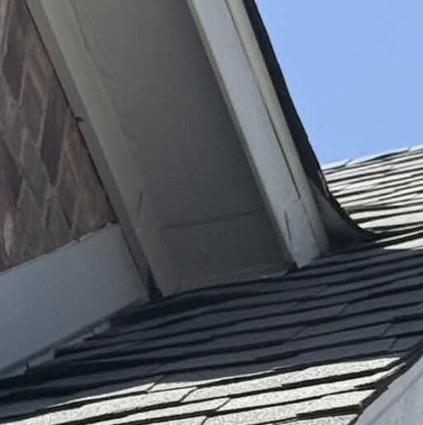
Depending on the home, that can include roof returns, soffits and fascia, vents, construction gaps, utility penetrations, garage-door areas, and other transitions where different building materials meet.
We also don’t want to find one obvious hole, close it, and automatically assume the rest of the home is protected.
If there are multiple accessible vulnerabilities, solving one of them may leave another potential route into the structure.
That’s why we sell full-home exclusion, not individual hole repairs.
How Peaceful Home Handles a Rodent Problem
1. Inspect the Home
We begin by looking for evidence of rodent activity and determining where rodents may be entering the structure.
We also inspect for other accessible vulnerabilities that could potentially become entry points.
2. Perform a Full-Home Exclusion
We seal the identified entry points and vulnerable areas included within the exclusion using materials appropriate for those areas of the structure.
The goal is straightforward:
Make the home harder for rodents to enter.
3. Trap Rodents Remaining Inside
Closing the entry points doesn’t automatically remove rodents that are already inside.
Once the exclusion work is completed, we use traps inside the structure to remove remaining rodents.
EPA recognizes traps as one of the available methods for dealing with rodent infestations.
4. Remove Captured Rodents
We return as needed during the trapping process to check the situation and remove captured rodents.
5. Keep Rodenticide Out of the Standard Plan
Most homes can be resolved with exclusion, trapping, and monitoring—not rodenticide.
In rare, extreme cases where rodenticide is warranted, we discuss it with you before use.
Does That Mean Every Other Rodent-Control Method Is Wrong?
No.
Different properties and circumstances can call for different approaches. Texas A&M, for example, discusses an integrated rodent-control program that can include rodenticides, traps, removal of food and shelter, and rat-proofing.
Peaceful Home has deliberately chosen to specialize more narrowly.
For the residential homes we service, our business is built around structural exclusion, trapping, and monitoring before rodenticide is considered.
That’s not a claim that poison doesn’t work.
It’s a choice about how we want to solve the problem.
And we think homeowners deserve to have that choice.
Why This Matters to Peaceful Home
Peaceful Home Rodent Protection was not built to be a traditional pest-control company that happens to offer rodent service.
Rodent Control is the focus.
That gives us the ability to build our service around a specific philosophy:
Find the problem.
Find how they’re getting in.
Close the entry points.
Remove what’s left inside.
We do not rely on routine rodenticide around the property to deliver that service.
Because we lead with exclusion, trapping, and monitoring, homeowners who want to avoid routine rodenticide have an alternative.
Looking for an Exclusion-First Rodent-Control Plan in DFW?
If you’re dealing with rats or mice and want a plan that starts without rodenticide, Peaceful Home Rodent Protection provides an exclusion-focused alternative throughout our DFW service area.
You don’t need to determine where the rodents are entering before calling us.
That’s what the inspection is for.
Related Resources
Want the Rodents Out Without Starting With Poison?
Our process starts with finding out how they’re getting inside, then making the durable repairs that can protect the home for years. Renewable quarterly or annual support is available for up to 10+ years. Eligible ongoing plans include Bell iQ exterior monitoring stations, with post-service reports that show station activity, timing, and recorded activity events.
If the rodents come back, so do we.Request an InspectionOr, if you’re still comparing your options:
See PricingSources for the published article: EPA Rodent Control Pesticide Safety Review · EPA Options for Dealing With Rodent Infestations · Texas A&M AgriLife: Managing Rats and Mice